Skin Care
Top 5 Signs You Need to See a Dermatologist | Skin Health Guide
Skin issues are often more than cosmetic. This in-depth guide explains the top 5 signs you need to see a dermatologist, what they could indicate, and when early medical attention can protect your long-term health.
By Team ArabiaMD
• 8 min read •

Your skin is not just your body’s outer layer. It is your largest organ, your first line of defense, and often the earliest indicator that something deeper may be going on inside your body.
Many people delay seeing a dermatologist because they believe skin problems are purely cosmetic or temporary. Others try to self-diagnose using online advice, social media trends, or over-the-counter treatments that may mask symptoms without addressing the real cause.
The reality is simple. Certain skin, hair, and nail changes should never be ignored.
In this comprehensive guide, we will walk through the top 5 signs you need to see a dermatologist, explain what they could mean, and help you understand when professional care is not just helpful but necessary.
This article is designed to give you clarity, not fear. Most skin conditions are treatable when addressed early. The key is knowing when to act.
Why Seeing a Dermatologist Matters More Than You Think
Before diving into the signs, it is important to understand what dermatologists actually do.
A dermatologist is a medical doctor who specializes in conditions affecting the skin, hair, nails, and mucous membranes. Their expertise goes far beyond acne or cosmetic treatments. Dermatologists diagnose autoimmune diseases, infections, allergic reactions, hormonal imbalances, genetic disorders, and even life-threatening cancers.
Ignoring symptoms or delaying diagnosis can lead to:
• Worsening of the condition • Permanent scarring or pigmentation • Hair loss that becomes irreversible • Chronic discomfort or pain • Delayed detection of serious diseases
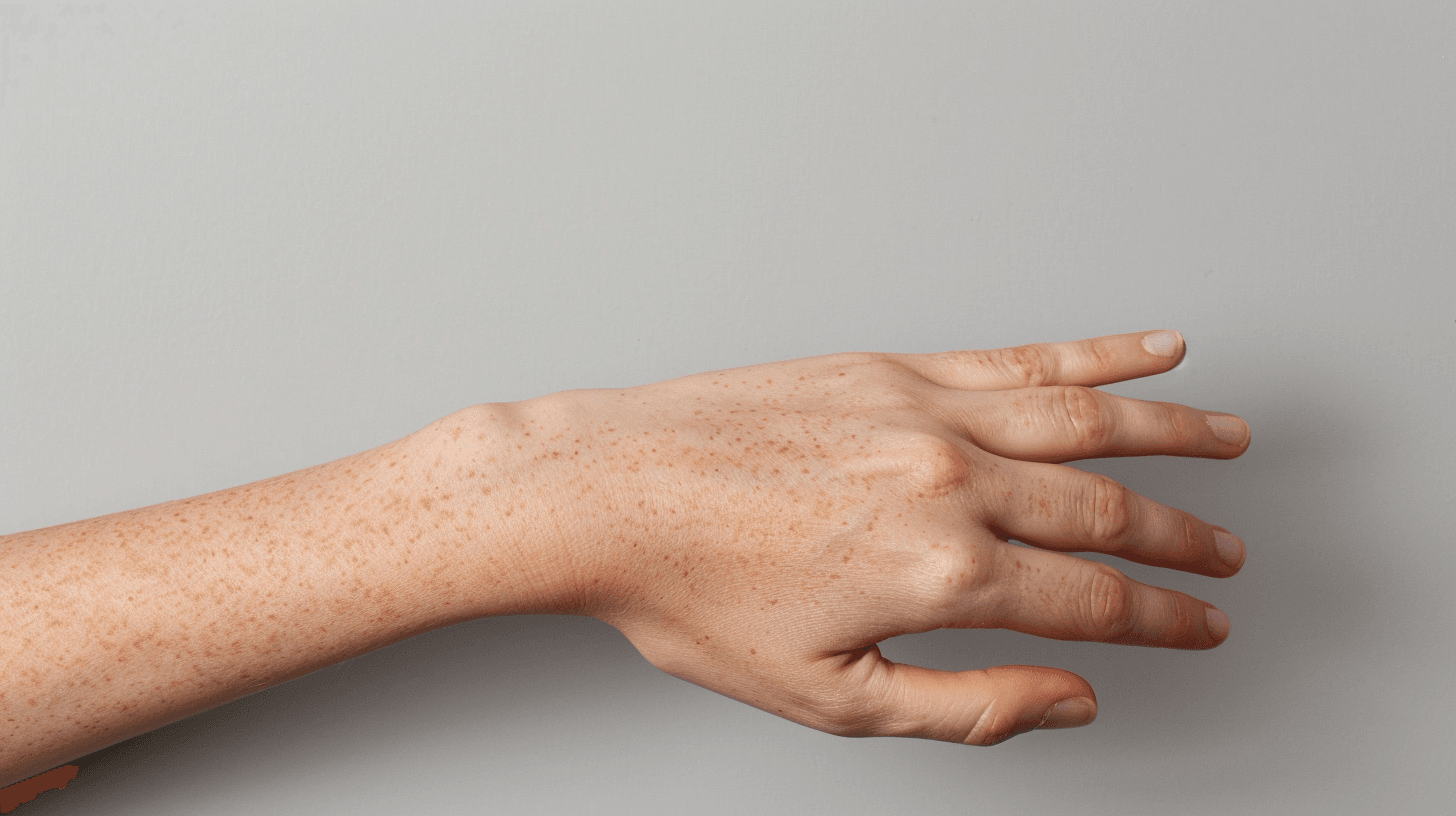 Early consultation often means simpler treatment, faster recovery, and better long-term outcomes.
Sign 1: Persistent Acne That Does Not Improve
When Acne Is No Longer “Normal”
Acne is common, especially during adolescence, but it should not be automatically dismissed at any age.
If you have acne that:
• Persists into adulthood • Worsens despite skincare routines • Leaves scars or dark marks • Is painful, cystic, or inflamed • Suddenly appears later in life
It is time to see a dermatologist.
Persistent acne is often a symptom, not the problem itself.
What Persistent Acne Could Indicate
Chronic or severe acne may be linked to:
• Hormonal imbalances • Polycystic ovary syndrome (PCOS) • Insulin resistance • Certain medications • Chronic inflammation • Stress-related cortisol spikes
A dermatologist looks beyond the surface. They evaluate patterns, triggers, lifestyle factors, and medical history before recommending treatment.
Why Over-the-Counter Treatments Often Fail
Many people overuse harsh products in an attempt to “dry out” acne. This can damage the skin barrier, increase oil production, and worsen breakouts.
Professional treatment plans may include:
• Prescription topical treatments • Oral medications • Hormonal therapy • Lifestyle and diet adjustments • Long-term skin barrier repair
Treating acne early also reduces the risk of permanent scarring.
Sign 2: Unusual Moles or Changes in Existing Moles
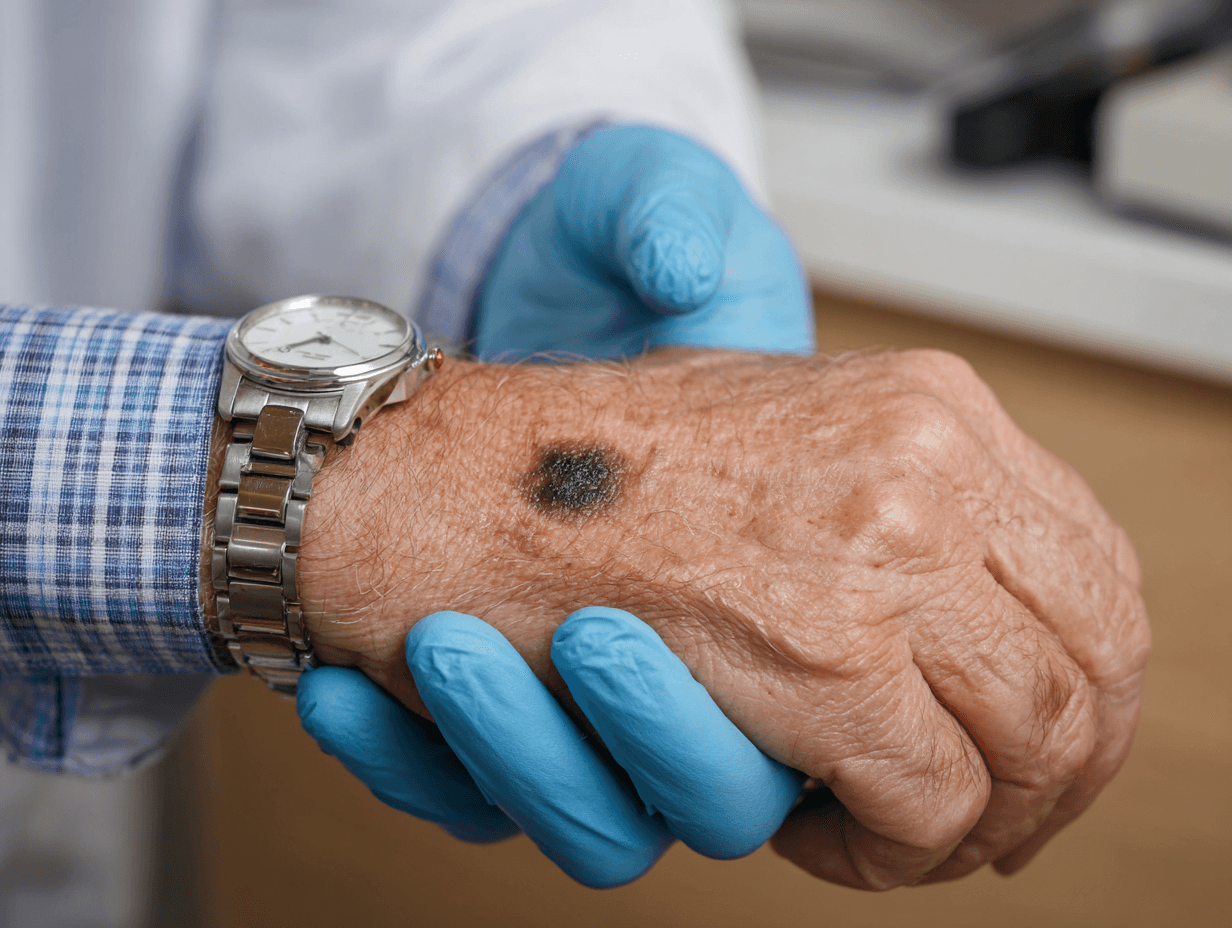
The ABCDE Rule You Should Know
Moles are common and usually harmless, but changes in their appearance can be serious.
Dermatologists often use the ABCDE rule to assess moles:
• A – Asymmetry: One half looks different from the other • B – Border: Irregular, jagged, or blurred edges • C – Color: Multiple colors or uneven pigmentation • D – Diameter: Larger than 6 mm or growing • E – Evolving: Any change in size, shape, or sensation
If you notice any of these signs, you should not wait.
Why Early Detection Saves Lives
Skin cancer, including melanoma, is one of the most treatable cancers when caught early. Delayed diagnosis significantly increases risk.
Even non-cancerous changes may indicate:
• Sun damage • Precancerous lesions • Genetic skin conditions • Immune system issues
A dermatologist can perform a clinical examination, dermoscopy, or biopsy if needed.
Sign 3: Chronic Rashes, Redness, or Itching
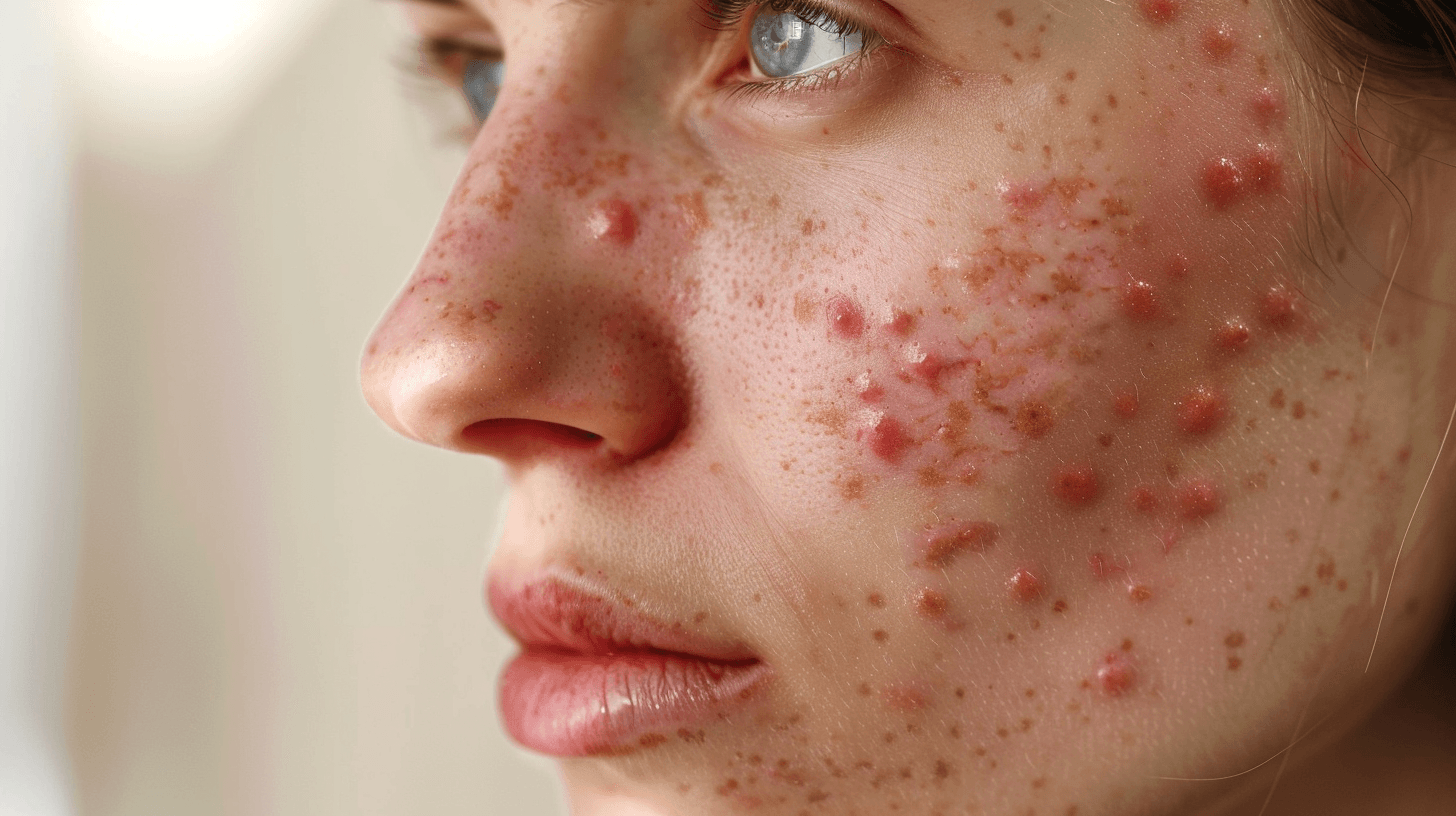
When a Rash Is Not “Just an Allergy”
Occasional rashes happen. Chronic or recurring rashes do not happen without a reason.
You should see a dermatologist if a rash:
• Lasts longer than two weeks • Keeps returning in the same area • Is intensely itchy or painful • Bleeds, crusts, or oozes • Spreads rapidly
Conditions Often Misdiagnosed at Home
Many people confuse different skin conditions because symptoms overlap. Commonly misdiagnosed issues include:
• Eczema • Psoriasis • Rosacea • Contact dermatitis • Fungal infections • Autoimmune skin disorders
Using the wrong treatment can worsen symptoms. For example, steroid creams can temporarily reduce redness while allowing fungal infections to spread.
Why Proper Diagnosis Matters
A dermatologist identifies the root cause and tailors treatment accordingly. This may include:
• Patch testing for allergies • Prescription anti-inflammatory treatments • Antifungal or antibacterial medication • Long-term management strategies
Chronic skin inflammation can affect sleep, mental health, and quality of life. It deserves medical attention.
Sign 4: Sudden or Excessive Hair Loss

Hair Loss Is Often a Medical Signal
Losing some hair daily is normal. Losing hair in clumps, noticing thinning patches, or sudden shedding is not.
You should consult a dermatologist if you experience:
• Sudden hair shedding • Receding hairline or widening part • Patchy hair loss • Scalp pain or itching • Thinning eyebrows or lashes
What Hair Loss Can Reveal
Hair loss may be linked to:
• Hormonal imbalances • Thyroid disorders • Nutritional deficiencies • Autoimmune diseases • Chronic stress • Scalp infections
Dermatologists are trained to distinguish between temporary and permanent hair loss conditions.
Early Treatment Makes a Difference
Some hair loss conditions are reversible if treated early. Delayed diagnosis can result in permanent follicle damage.
A dermatologist may recommend:
• Blood tests • Scalp examinations • Prescription treatments • Lifestyle changes • Long-term monitoring
Hair health is closely tied to overall health. Ignoring changes may mean missing important signals from your body.
Sign 5: Skin Changes That Affect Your Daily Life
When Skin Problems Become More Than Physical
Skin conditions can deeply impact mental and emotional well-being.
You should seek professional help if your skin issue:
• Causes embarrassment or anxiety • Affects sleep or concentration • Limits social interactions • Interferes with work or daily routines • Leads to persistent discomfort
Skin health is not vanity. It is part of overall health.
The Psychological Impact of Skin Conditions
Conditions like acne, eczema, psoriasis, and vitiligo can contribute to:
• Low self-esteem • Social withdrawal • Depression • Chronic stress
Dermatologists understand this connection and approach treatment holistically.
When Should You See a Dermatologist Immediately
Some symptoms should never be delayed:
• Rapidly spreading rashes • Painful skin infections • Sudden swelling of lips or eyelids • Bleeding lesions that do not heal • Fever with skin changes
These could indicate infections or systemic reactions requiring urgent care.
How to Prepare for a Dermatology Appointment

To make the most of your visit:
• Note when symptoms started • Track triggers or patterns • Bring a list of products used • Mention medications and supplements • Take photos of flare-ups if they come and go
Clear information helps dermatologists diagnose faster and more accurately.
Finding the Right Dermatologist
Choosing the right specialist matters.
Look for a dermatologist who:
• Is licensed and experienced • Takes time to explain conditions • Provides clear treatment plans • Offers follow-up care
If you are unsure where to start, platforms like ArabiaMD make it easier to explore qualified dermatologists across different specialties and locations.
You can browse trusted medical professionals directly through the 👉 ArabiaMD homepage or search and compare specialists using the 👉 Find a Doctor directory
Why Early Action Protects Long-Term Skin Health
Many serious skin conditions start subtly. A small change ignored today can become a long-term issue tomorrow.
Seeing a dermatologist early often means:
• Less aggressive treatment • Faster improvement • Better cosmetic outcomes • Reduced health risks
Your skin is constantly communicating with you. Learning to listen is one of the most powerful steps you can take for your health.
Final Thoughts
Skin concerns are not something you should push aside or self-diagnose indefinitely.
If you recognize yourself in any of the signs discussed in this article, it may be time to consult a dermatologist. Whether it is persistent acne, unusual moles, chronic rashes, hair loss, or skin issues affecting your quality of life, professional care can make a meaningful difference.
Healthy skin is not about perfection. It is about balance, protection, and long-term well-being.
Dermatology