Living Healthy
When Should You Worry About Hair Loss?
Learn when hair loss becomes a sign of an underlying problem and when to seek medical help.
By Team ArabiaMD
• 9 min read •
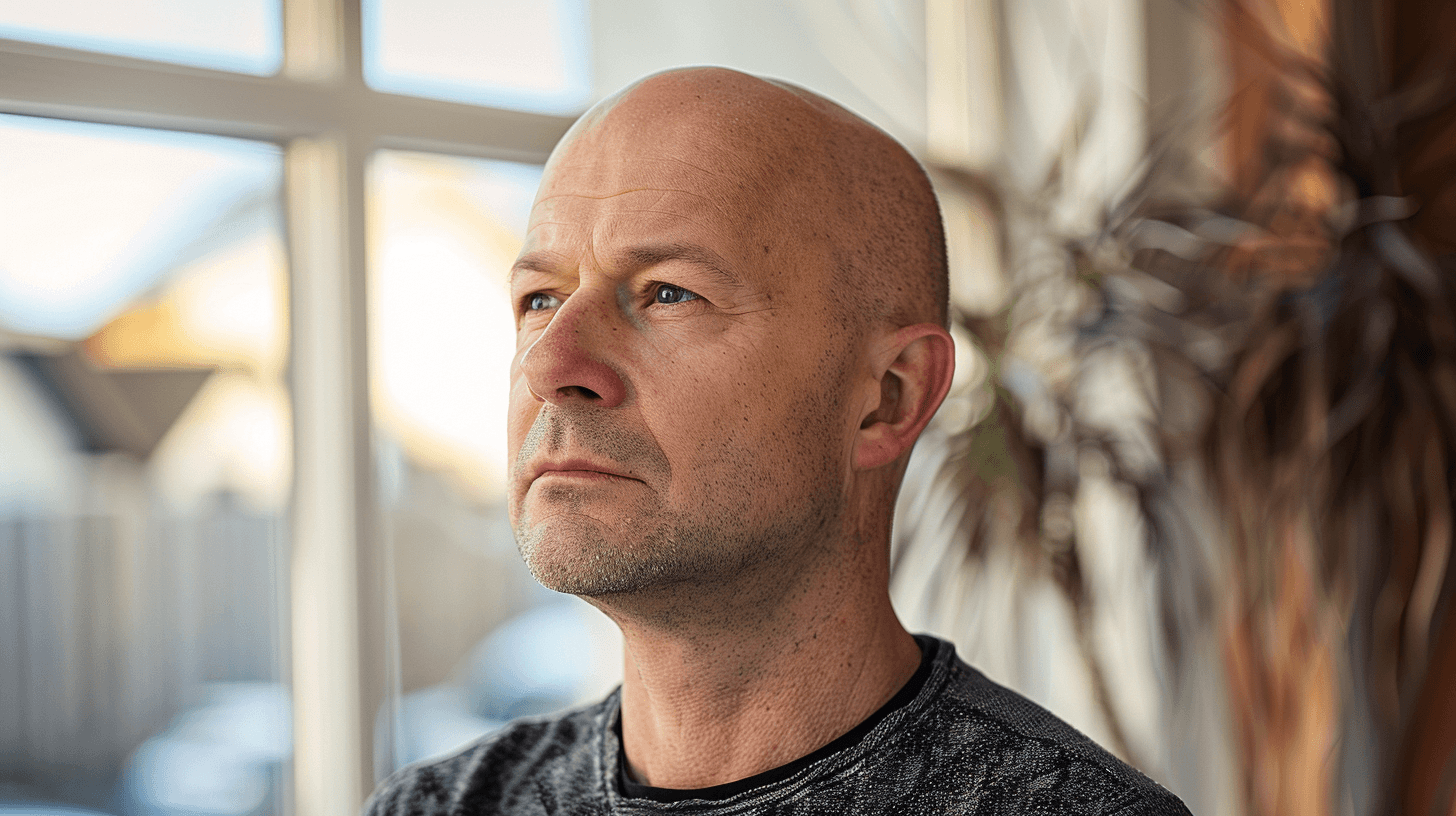
Hair loss is one of the most common concerns for men and women across all ages. While losing some hair every day is normal, there are times when the amount of hair falling out or the pattern of hair thinning could point to an underlying condition that needs attention. Hair is tied to confidence, identity, and appearance, so noticing more strands in the shower or a widening part can easily create stress. The good news is that most causes of hair loss are treatable. The key is knowing when it is a normal part of the hair growth cycle and when it is a sign of something more serious.
This comprehensive guide will help you understand when to worry about hair loss, the main causes behind it, early warning signs, treatment options, and when to see a doctor. Whether you are experiencing sudden shedding, gradual thinning, or patchy hair loss, this guide will give you clarity and direction.
Understanding the Normal Hair Growth Cycle
Before worrying about hair loss, it is important to understand that the scalp naturally goes through a cycle of growth and shedding. The hair growth cycle has three main phases:
1. Anagen Phase
This is the active growth phase. Around ninety percent of the hair on your scalp is in this phase at any given time. It lasts between two to six years depending on genetics and health.
2. Catagen Phase
This is a short transitional phase that lasts around two weeks. The hair stops growing and prepares to enter the resting phase.
3. Telogen Phase
This is the resting phase, which lasts around three months. Around ten percent of your hair is in this stage. At the end of this phase, the hair falls out and new hair begins to grow.
Losing fifty to one hundred strands per day is normal. You should only be concerned when you notice sudden shedding, visible thinning, or bald patches.
When Hair Loss Becomes a Warning Sign
Not all hair loss is the same. Some types are temporary and reversible, while others require medical attention. You should worry about hair loss if any of the following apply.
1. Sudden and Excessive Shedding
Sudden hair loss that happens over a few days or weeks is often a sign of a condition called telogen effluvium. This happens when a physical or emotional shock pushes a large number of hairs into the resting phase.
Possible triggers include:
- Major stress
- Sudden illness
- High fever
- COVID infections
- Surgery
- Childbirth
- Crash dieting
- Severe emotional distress
If you notice handfuls of hair coming out in the shower, on your pillow, or while combing, you should seek medical advice. Even though telogen effluvium is usually temporary, it is important to identify the trigger.
2. Patchy Hair Loss
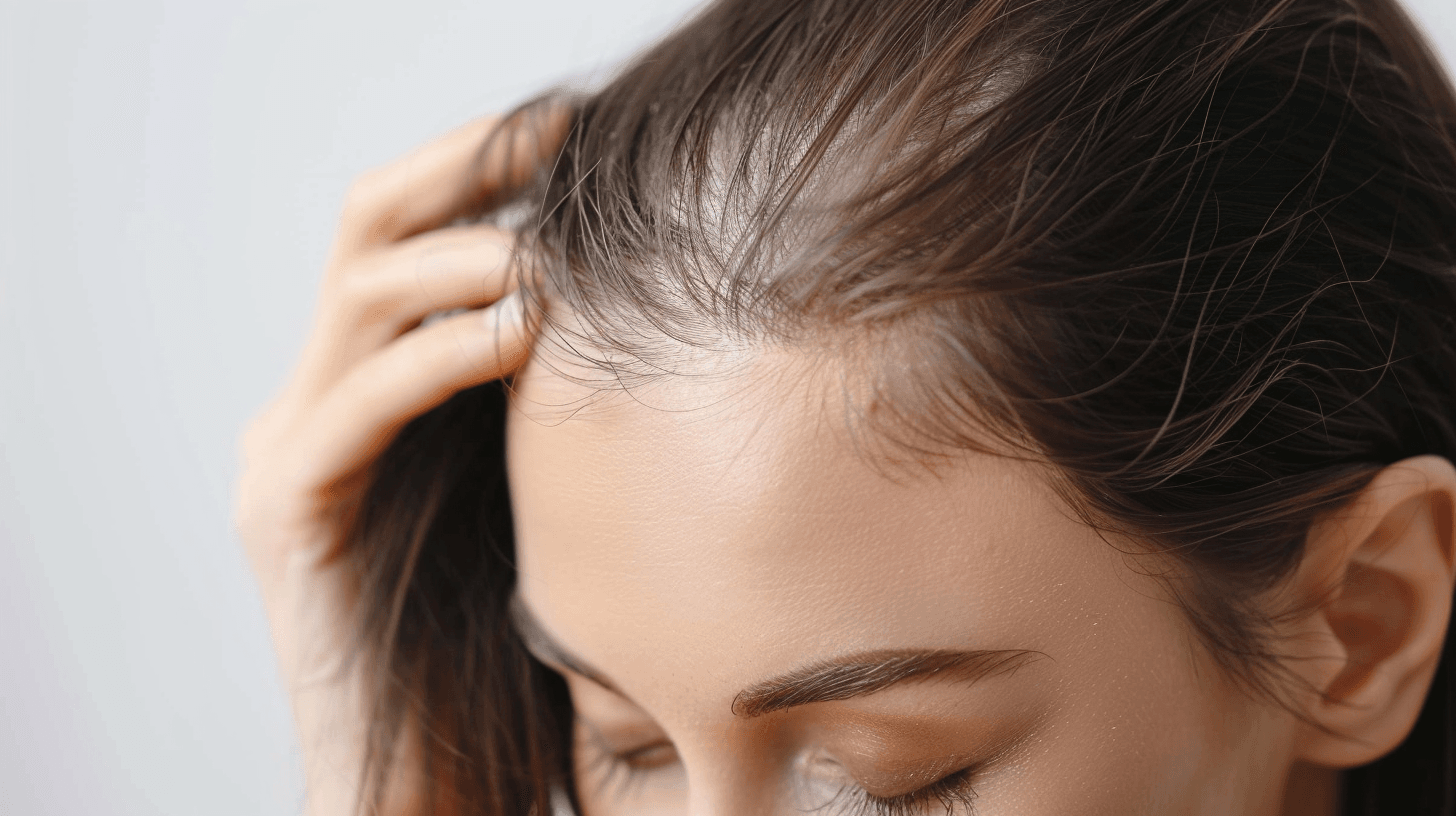
Patchy hair loss is not normal. If you see round or oval bald spots, you may have alopecia areata, an autoimmune condition where the immune system attacks the hair follicles.
Signs of alopecia areata include:
- Smooth round patches
- Sudden appearance
- Possible itching
- Eyebrow or beard patches
This type of hair loss needs medical evaluation because early treatment increases the chance of regrowth.
3. Rapid Thinning on the Crown or Hairline
Gradual thinning is common with age, but rapid changes could indicate androgenetic alopecia. This is commonly known as male pattern baldness or female pattern hair loss.
For men, common signs include:
- Receding hairline
- Thinning at the crown
- Gradual expansion of bald areas
For women, signs include:
- Widening of the part
- Overall thinning
- Thinner ponytail
If the thinning progresses quickly, treatment should start early to preserve the remaining hair.
4. Hair Loss with Itching or Scalp Irritation
A healthy scalp should not itch excessively or feel painful. If hair loss is accompanied by:
- Redness
- Flaking
- Burning sensations
- Pus filled bumps
- Severe dandruff
then the cause may be infection or inflammation. Conditions such as fungal infections, psoriasis, dermatitis, and folliculitis require medical treatment.
5. Hair Loss After Starting a New Medication
Several medications are known to cause hair loss as a side effect. These include:
- Acne medications
- Antidepressants
- Blood pressure medications
- Blood thinners
- Chemotherapy
- Hormonal treatments
If hair loss begins shortly after starting a medication, consult your doctor to discuss alternatives.
6. Hair Loss with Other Symptoms
Hair loss combined with additional symptoms may indicate underlying medical issues such as:
- Thyroid disorders
- Hormonal imbalance
- PCOS
- Iron deficiency
- Vitamin D deficiency
- Autoimmune diseases
- Lupus
Common related symptoms include fatigue, weight changes, brittle nails, irregular menstruation, or changes in skin texture.
Main Causes of Hair Loss
Understanding the cause of your hair loss can help you take the right steps toward recovery.
1. Genetic Hair Loss
This is the most common cause in both men and women. Genetics determine how sensitive your hair follicles are to hormones. Treatment is effective when started early.
Common signs:
- Family history of hair loss
- Thinning at the crown
- Widening hair part
2. Stress and Emotional Trauma
Stress sends a large number of hairs into the resting phase, leading to shedding after two to three months. Stress also increases cortisol, which interferes with hair growth.
3. Hormonal Imbalances
Hormones play a major role in hair health. Imbalances may be caused by:
- Pregnancy
- Menopause
- PCOS
- Thyroid issues
- Birth control changes
Hormonal treatment often reverses hair loss.
4. Nutritional Deficiencies
Hair requires a mix of nutrients including protein, iron, zinc, biotin, and essential vitamins. Diets that are low in these nutrients lead to weak, brittle, and thinning hair.
5. Hairstyles and Hair Care Practices
Tight hairstyles such as ponytails, braids, or extensions can cause traction alopecia. Frequent use of heat styling tools or harsh chemicals can also damage the hair shaft.
6. Infections and Scalp Conditions
Fungal infections like ringworm, seborrheic dermatitis, and psoriasis can cause hair to fall out. These conditions need proper medical treatment.
Early Warning Signs You Should Not Ignore
Early detection increases the chances of reversing the condition.
Most common warning signs include:
- More hair than usual on the pillow
- Noticeable thinning at the top of the head
- Visible scalp through the hair
- Receding hairline
- Smaller ponytail size
- Patches of missing hair
- Sudden shedding
- Pain or redness on the scalp
If you notice any of these signs, schedule a consultation with a dermatologist or a trichologist.

When to See a Doctor About Hair Loss
You should see a doctor if:
- Hair loss is sudden
- Hair falls out in patches
- You have scalp pain or inflammation
- There is rapid thinning
- You notice bald spots
- You recently experienced illness or stress
- You suspect a nutritional deficiency
- Hair loss affects eyebrows or eyelashes
Early treatment prevents further damage and improves chances of regrowth.
Diagnosis Methods Used by Doctors
A doctor may use one or more of the following methods to diagnose the cause of hair loss:
1. Medical History Review
They will ask about medications, lifestyle, recent stress, and family history.
2. Scalp Examination
A close examination reveals the pattern and cause of the hair loss.
3. Blood Tests
Blood tests check for:
- Thyroid function
- Iron levels
- Vitamin D
- Hormonal levels
4. Pull Test
This determines how easily hair comes out.
5. Scalp Biopsy
A small sample of scalp tissue is examined to rule out autoimmune or scarring conditions.
Treatment Options for Hair Loss
Treatment depends on the cause. The earlier it starts, the better the results.
1. Topical Treatments
Minoxidil
Available over the counter and effective for many types of hair loss.
2. Oral Medications
Doctors may prescribe:
- Finasteride
- Spironolactone
- Medication for thyroid or hormonal issues
3. Supplements
Supplements help if your hair loss is due to nutrient deficiencies. Common supplements include:
- Iron
- Vitamin D
- Biotin
- Zinc
- Omega 3
4. PRP Therapy
Platelet Rich Plasma therapy uses your own plasma to stimulate hair follicles. It is popular because it is safe and minimally invasive.
5. Laser Therapy
Low level laser therapy helps increase blood flow to the scalp and supports hair growth.
6. Hair Transplant
A hair transplant is a permanent solution for advanced genetic hair loss. Techniques include FUE and FUT.
7. Lifestyle Changes
Lifestyle plays a significant role in hair health. Managing stress, eating a balanced diet, improving sleep, and avoiding harsh shampoos can significantly support hair growth.
Can Hair Loss Be Prevented
You can reduce the risk of hair loss by taking good care of your scalp and overall health.
Prevention tips include:
- Healthy balanced diet
- Avoiding tight hairstyles
- Using gentle hair products
- Reducing heat styling
- Regular scalp massages
- Managing stress
- Treating dandruff early
Frequently Asked Questions
Is it normal to lose hair every day
Yes. Losing fifty to one hundred strands per day is normal.
Is sudden hair loss dangerous
Sudden hair loss often indicates telogen effluvium, which is usually temporary but still needs evaluation.
Does hair grow back after stress
In most cases, yes. Once stress levels improve, hair usually grows back within six to nine months.
When should I worry about thinning hair
You should worry when thinning is rapid, patchy, or accompanied by other symptoms like fatigue, scalp irritation, or sudden shedding.
Conclusion
Hair loss is common, but knowing when to worry is essential. While some shedding is normal, sudden or patchy hair loss, rapid thinning, scalp irritation, or changes accompanied by other symptoms should not be ignored. Early diagnosis and treatment give you the best chance at maintaining and restoring your hair. If you feel unsure about the cause of your hair loss, schedule a consultation with a medical professional who can guide you through proper diagnosis and treatment.